Press Play, Press Send: How House Producers Are Running Full Label Operations From Their Own Studios
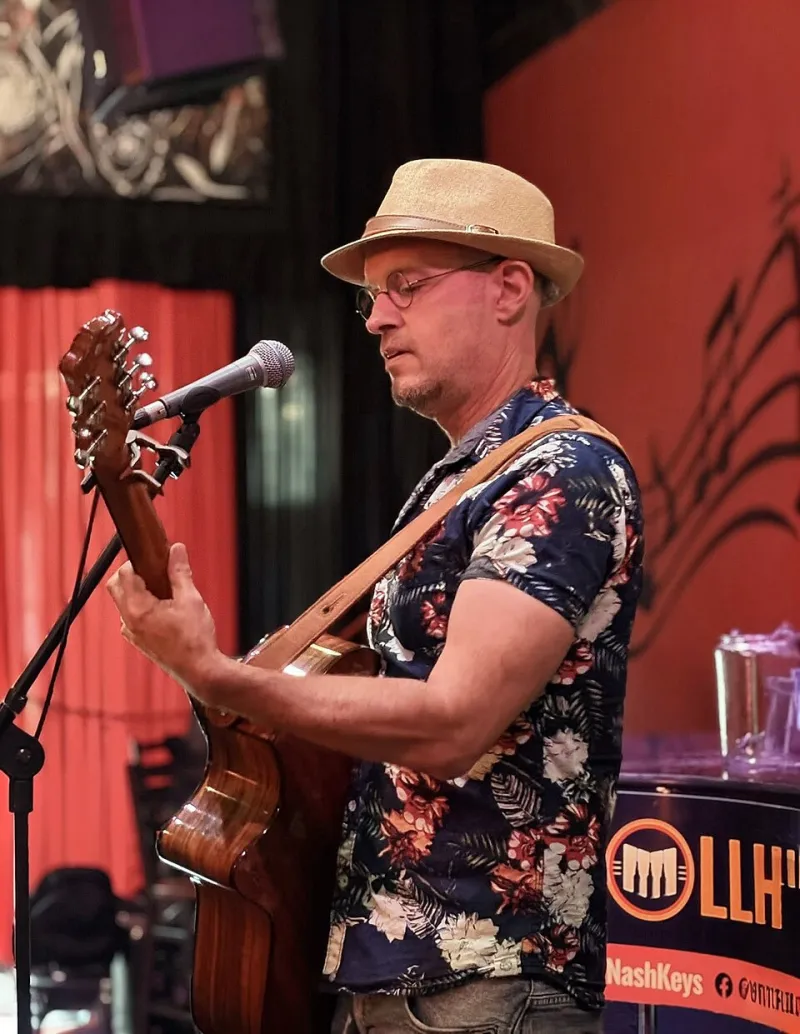
Photo: Rmfichera72, CC BY-SA 4.0, via Wikimedia Commons
There's a version of the music industry dream that looks like this: a rep from a major label catches your SoundCloud, flies you out to LA, and hands you a contract over lunch. For a certain generation of house producers, that fantasy still lingers. But a growing number of artists in the US scene have stopped waiting for that call — and started building something better on their own terms.
Micro-labels and artist-run imprints are nothing new in electronic music. But what's different right now is the infrastructure. Producers who came up learning Ableton in their bedrooms are now running full A&R operations, negotiating distribution deals, managing rosters, and pressing vinyl — all without a parent company, an advance, or anyone telling them what their music should sound like. It's messy, it's exhausting, and by almost every account from the people doing it, it's completely worth it.
The New A&R Is the Artist
When Chicago-based producer and label head Darius Frell launched his imprint Deepwork Recordings in 2021, he wasn't thinking about building a brand. He just needed somewhere to put out his own music that wasn't going to sit in a Spotify playlist queue for six months waiting on someone else's approval.
"I sent demos to maybe fifteen labels over two years," he says. "Some didn't respond. Some said it wasn't quite right for them. One offered a deal that would've locked me in for three releases with no creative sign-off. I just said forget it and started my own thing."
Deepwork has since released music from four other producers, all Chicago-area artists Frell connected with through local events and mutual friends. His A&R process is exactly what you'd expect from someone operating this way: gut instinct, genuine relationships, and a shared aesthetic rather than a market strategy. "I sign people I'd want to go see play," he says. "That's literally the whole filter."
That kind of curatorial intimacy is one of the defining characteristics of the micro-label model. Without the pressure of quarterly targets or investor expectations, these imprints can afford to develop artists slowly, release music on their own timeline, and take creative risks that a larger operation simply wouldn't greenlight.
Distribution Without the Middleman Drama
One of the biggest logistical shifts enabling all of this is how dramatically distribution has changed. Platforms like DistroKid, TuneCore, and especially Amuse have made it genuinely possible to get music onto every major streaming service for a flat annual fee. But for labels looking to do things more seriously — think proper metadata management, label-tier accounts, and actual royalty splitting infrastructure — services like Stem and Downtown's FUGA have become the go-to backbone for indie operations.
New York-based Wavefront Collective, a four-person artist-run label focused on deep and tech-house, switched to Stem about eighteen months ago after outgrowing DistroKid. Co-founder Amara Osei says the move changed everything about how they handle the business side. "With Stem, we can actually pay our artists automatically based on their split. It comes out of the revenue before we even touch it. That's huge for trust."
Wavefront has released twenty-three records since 2020. They've pressed vinyl twice — small runs of 200 copies each time — using UK-based plant services that ship to the US, because domestic pressing plant wait times have been notoriously brutal since the pandemic-era backlog. Both runs sold out. Neither cost them more than $3,000 to produce.
Making the Math Work
Let's be real: running a micro-label is not a get-rich-quick situation. Most of the people doing this are subsidizing their label operations with DJ income, day jobs, or freelance production work. The economics only start to make sense once you zoom out and think about what you're building over time rather than what you're earning right now.
Atlanta-based Solstice Sound, run by producer and DJ Kenji Morrow, operates on what he calls a "slow burn" model. Releases go out every six to eight weeks. Budgets are kept tight — no music videos, minimal paid promotion, heavy reliance on organic social and playlist pitching. Morrow estimates the label breaks even on most releases within about ninety days of dropping.
"We're not making anyone rich," he laughs. "But we're also not losing money, and every artist who comes through keeps their masters. That's the trade. You don't get an advance, but you own your work forever."
That master ownership piece is increasingly the central selling point for artists choosing micro-labels over traditional deals. In a streaming economy where catalog value compounds over time, holding onto your masters isn't just an ideological stance — it's a genuinely smart financial decision.
Artist Development on a Shoestring
One of the knocks on the micro-label model is that these operations can't offer the kind of artist development that a real label provides: radio pluggers, PR teams, sync licensing departments, tour support. And honestly? That criticism isn't wrong. Most micro-labels are running lean in ways that would make a traditional A&R person nervous.
But the producers running these imprints are finding creative workarounds. Miami's Humid Records, a five-year-old imprint focused on Afro-house and Latin-influenced electronic music, built its own informal PR network by partnering with music blogs, podcast curators, and Instagram-native tastemakers who cover the scene. Founder and producer Lucia Reyes spent six months just building those relationships before she ever released a single record.
"I knew I couldn't afford to hire a publicist," she says. "So I became the publicist. I learned how to write a press release. I learned how to pitch. I emailed every blog I respected and just introduced myself, not even to push music, just to say hi and talk about what we were doing."
Humid has since landed placements on several high-profile Spotify editorial playlists and had two releases picked up for sync licensing through a boutique agency that Reyes cold-emailed two years ago. "They said no the first time," she recalls. "I followed up six months later. They said yes."
The Bigger Picture
What's happening across these micro-labels isn't just a trend — it's a structural shift in how house music gets made and circulated in America. When artists control their own infrastructure, they're not just making business decisions. They're making cultural ones. They decide which sounds get amplified, which communities get centered, which artists get a shot.
That's power that used to sit exclusively with labels, and now it doesn't. It sits with a producer in Chicago who built a Bandcamp page and figured out how to use Stem. It sits with a DJ in Atlanta who decided that slow and steady was a better bet than chasing a deal that might never come.
The SoundCloud-to-sold-out pipeline is real — but the path runs straight through your own operation now. And for a lot of the people building these labels, that's not a compromise. It's the whole point.