Logged In, Locked In: How House Producers Are Building Real Community in the Age of Discord and Private Streams
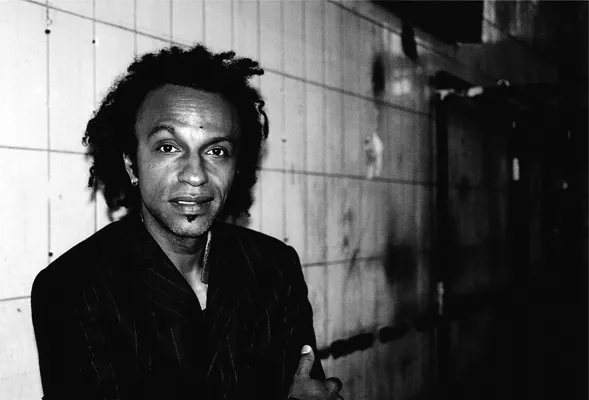
Photo: Shixart1985, CC BY 2.0, via Wikimedia Commons
There's a moment every house music fan knows — you find a producer whose sound just gets you, and suddenly you're refreshing their Spotify page every Friday like it's a ritual. But what happens when that producer decides to skip the streaming middleman entirely and just... talk to you directly? Pull you into a server, queue up some unreleased cuts, and chop it up in real time?
That's exactly what's happening right now, and it's quietly reshaping how house music gets heard, shared, and sustained.
The Playlist Is Dead. Long Live the Server.
For years, the dominant logic in electronic music went something like this: get on a playlist, blow up, repeat. But a lot of producers — particularly those grinding in the deeper, more niche corners of house — never really fit that mold. Their music wasn't built for algorithm-friendly skip rates or thirty-second hooks. It was built for a specific kind of listener, someone who actually wanted to sit with a track.
Discord gave those producers somewhere to find those listeners.
What started as gaming infrastructure has become, for a surprising number of house artists, the most important tool in their community-building kit. Servers dedicated to specific producers or collectives have popped up across the country — from Chicago to Brooklyn to LA — functioning as part fan forum, part listening room, part creative workshop. Some have a few hundred members. Others are pushing into the thousands.
The vibe is intentionally intimate. That's the whole point.
Listening Parties That Actually Feel Like Parties
Ask anyone who's attended a Discord listening session hosted by an independent house producer and you'll hear the same thing: it feels different. Not like a launch event or a PR moment, but like being in someone's living room while they play you music they actually care about.
Producers are dropping unreleased tracks, taking questions mid-listen, explaining production choices, and sometimes completely reworking a song based on real-time feedback from the people in the room. That kind of transparency used to be reserved for close collaborators. Now it's becoming a feature — something fans actively seek out and pay for.
And yes, pay for. Tiered memberships on Patreon linked to Discord access have become a reliable revenue stream for mid-level house producers who might not be headlining festivals but have cultivated genuinely loyal audiences. A $10-a-month tier that gets you into exclusive listening sessions, early demos, and direct message access to an artist you love? For a lot of house heads, that's an easy yes.
Twitch Is Doing More Work Than People Realize
While Discord handles the community layer, Twitch has quietly become the live venue of choice for house producers who want to perform without booking a club. Private streams — invite-only or limited-access — have given artists a way to create a sense of occasion without the overhead of a physical event.
Some producers are running full DJ sets on Twitch, treating the stream like a club night complete with visual backdrops, chat interaction, and even virtual tip jars through subscriptions and bits. Others are going more lo-fi — just a producer at their desk, walking through a new EP track by track, fielding questions, maybe even taking live remix requests.
The engagement numbers on these streams often dwarf what the same artist gets on a standard social media post. Because the people who show up want to be there. They opted in. They're not scrolling past — they cleared their schedule.
Why This Matters Beyond the Vibe
It's easy to frame all of this as a cozy alternative to the mainstream, a boutique option for artists who just want to stay small. But that's underselling what's actually being built here.
The producers who are doing this well aren't opting out of the music industry — they're building parallel infrastructure inside it. They're developing direct relationships with fans that no streaming platform can disrupt, no algorithm change can erase, and no label contract can own. When Spotify shifts its royalty model or TikTok's feed buries them for a week, it doesn't matter as much because their core community is housed somewhere else entirely.
That's a fundamentally different kind of career stability.
And for fans, particularly the house heads who've always felt like their taste didn't quite fit mainstream dance music culture, these spaces offer something genuinely rare: a place where the music is taken seriously and the community around it actually reflects that.
The Gatekeeping Question
Not everyone's thrilled with how this is playing out, though. Some corners of the house community have raised legitimate questions about access — specifically, whether paid Discord tiers and exclusive listening sessions create a two-tier fandom where the most financially comfortable fans get the best experience.
It's a fair tension to sit with. House music has always had a complicated relationship with exclusivity. On one hand, the culture was built by and for communities that were actively excluded from mainstream spaces. On the other, there's a long tradition of underground scenes that were, by definition, not for everyone.
The producers navigating this most thoughtfully tend to keep some version of their community open and free while reserving the deeper access for paid tiers. The free Discord channels stay active. The Twitch VODs get posted publicly after a delay. The goal, for many of them, is sustainability without gatekeeping — which is a harder balance to strike than it sounds, but one worth chasing.
What Comes Next
The infrastructure is still being figured out. Discord isn't perfect — it's clunky for new users, hard to search, and not exactly optimized for music discovery. Twitch has its own limitations around music licensing that have created headaches for producers who want to archive their streams.
But the instinct driving all of this — the move toward directness, toward intimacy, toward community that actually means something — that's not going anywhere. If anything, as streaming platforms continue to consolidate and algorithmic fatigue sets in harder, expect more house producers to double down on the digital spaces they actually control.
The dancefloor might be physical, but the community holding it together? Increasingly, it's living in a server somewhere, waiting for the next session to go live.