Healing on the Dancefloor: The DJs Turning House Music Into a Mental Health Movement
Photo: Evgeny2665, CC0, via Wikimedia Commons
House music was always therapy. Ask anyone who found their people in a sweaty basement in Chicago or a converted loft in New York during the genre's earliest years. The music did something that talk couldn't — it moved grief, dissolved loneliness, created belonging. That was never incidental. It was the whole point.
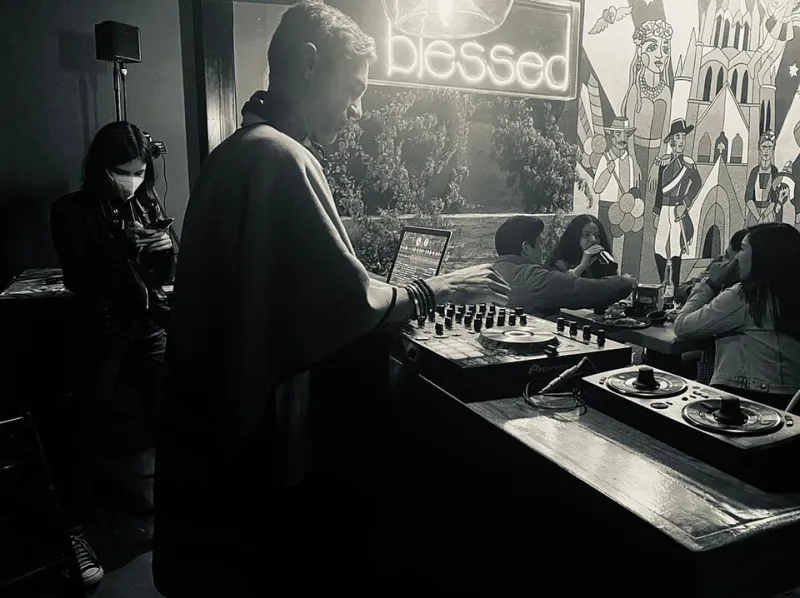
But a new generation of DJs, producers, and collective organizers is making that implicit function explicit. They're not just playing music for people to dance to. They're building intentional spaces where house music is the entry point into something much deeper: community care, mental health support, and a kind of social connection that's become increasingly rare.
More Than a Party
The events don't always look like what you'd expect. Some happen in yoga studios, community centers, or church halls. Others take place in parks on Sunday mornings, with no alcohol in sight. A few are structured around facilitated group conversation — something between a support group and a listening session, with a DJ set as the throughline.
In Los Angeles, a collective called Open Signal has been hosting monthly "sound and share" gatherings since 2022. The format is simple: a two-hour ambient and deep house set followed by a facilitated group discussion, optional journaling prompts, and time to connect with other attendees. No cover charge. No bar. No guest list drama.
"We wanted to create something where the music was the invitation, not the whole experience," says Tanya Reeves, one of Open Signal's founding members and a DJ who's been active in the LA underground for over a decade. "A lot of people in our community were struggling post-pandemic and didn't have language for it. But they knew how to show up to a music event. So we met them there."
Attendance at Open Signal events has grown steadily, and Reeves says a significant portion of the crowd now comes from outside the traditional club-going demographic — people in their 40s and 50s, folks in recovery, people dealing with grief, first-timers who heard about it through a therapist or a community board posting.
The Science Behind the Feeling
This isn't just vibes — there's growing research to support what dancers and DJs have known intuitively for years. Rhythmic music activates dopamine pathways, synchronized movement builds social trust, and the collective experience of dancing with strangers has measurable effects on feelings of belonging and reduced anxiety.
Dr. Angela Morris, a music therapist based in Atlanta who has collaborated with several electronic music collectives on wellness programming, explains it this way: "There's something specific about repetitive, rhythmic music at certain tempos — which is exactly what house music does structurally — that can help regulate the nervous system. It's not magic. It's physiology."
Morris has worked with Atlanta-based DJ crew The Common Root to develop programming that pairs house music listening experiences with breath work and somatic movement practices. Their events, held quarterly at a community arts space in Westview, regularly sell out.
Sober Spaces and the Club Alternative
One of the most significant threads in this movement is the rise of alcohol-free dance events. For a culture historically intertwined with substances — and honest about it — the sober rave is both a departure and a return to something foundational.
"House music, at its core, was never about being messed up," says DJ and event organizer Devon Carr, who runs a sober dance night called Clear in Brooklyn. "It was about the music. The substances came in because of the culture around clubs, the late hours, the social anxiety. Take all that away and what you have left is the actual thing — just people moving together."
Clear hosts events on weekend afternoons — a deliberate choice designed to make them accessible to people in recovery, parents, and anyone who's been priced or pressured out of nightlife. The vibe, Carr insists, is indistinguishable from a good club night in terms of energy. "People are sweating. People are crying. People are laughing. All the same stuff happens — just without the hangover."
Events like Clear are drawing in people who would never describe themselves as house music fans, and many of them are becoming exactly that. The music is doing its oldest job: building a room full of strangers into something that feels like a community.
When the DJ Becomes the Organizer
What's striking about this movement is how often it's being led by working DJs rather than wellness professionals. These aren't people pivoting away from music — they're expanding what music can do.
San Francisco DJ and producer Mia Tran started hosting grief-focused listening sessions after losing two close friends within a year. "I didn't know how to talk about it, but I knew how to make a playlist," she says. "I started inviting people over. It grew. Now we have 60 people in a room once a month just... listening and being together."
Tran is careful not to position herself as a therapist. She brings in licensed mental health professionals to facilitate conversation portions of the events and is transparent about the limits of what music can and can't do. But she's unambiguous about what she's witnessed. "People come in closed and leave open. That's real. I don't need a clinical term for it."
What This Means for the Scene
This movement isn't replacing nightlife — it's expanding the ecosystem around it. The same artists who play sunrise sets at underground parties are also the ones building community programming that has nothing to do with a club. And that's making the culture more resilient, more inclusive, and more interesting.
For a genre born in the margins — created by Black and queer communities in Chicago and New York as an act of radical self-expression and mutual care — this return to intentional community feels less like a trend and more like a remembering.
House music always knew what it was for. It just needed a new generation to say it out loud.