Beyond the Booth: How Smart House Producers Are Stacking Bread Without a Single Gig
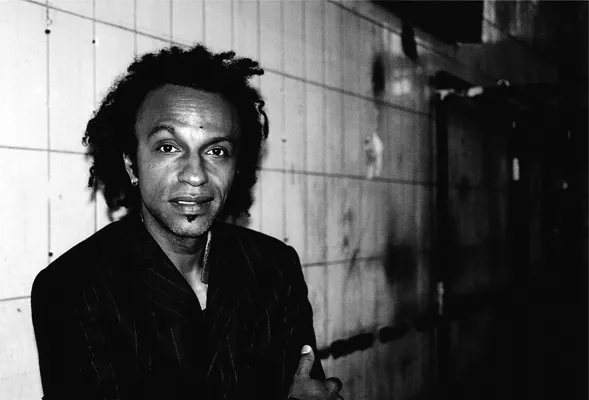
Photo: Stuart Mentiply, GFDL 1.2, via Wikimedia Commons
For a long time, the dream looked pretty simple: make tracks, get signed, play clubs, collect fees. That was the ladder. That was the plan. But somewhere between the algorithm shifts, the streaming royalty math that makes producers wince, and a global pandemic that shuttered every venue on the planet, a generation of house music producers quietly started building something different. Something sturdier.
They're not necessarily the ones with the biggest festival slots or the most Instagram followers. But they're eating — and eating well — through a diversified web of income streams that most fans never see. Sample pack libraries. Template licensing. Brand sync deals. Co-production arrangements with major-label artists who need that underground feel but don't know how to get there themselves. It's an entire parallel economy, and it's reshaping what it means to "make it" in house music.
The Sample Pack Gold Rush
Let's start with the most unsexy-sounding revenue stream that's actually printing money: sample packs.
Platforms like Splice, Loopmasters, and Beatport Sounds have turned producer knowledge into scalable product. A well-curated pack of Chicago-inspired deep house loops or NY garage-flavored drum breaks can sell thousands of licenses with zero additional labor after upload. For producers who've spent years mastering a specific sonic identity, it's essentially monetizing taste.
"I put out my first pack in 2021 and honestly forgot about it for three months," says one Chicago-based producer who asked to remain anonymous. "Checked my Splice dashboard and there was money just sitting there. It wasn't life-changing, but it was consistent. Like rent money, every month, from something I made in a weekend."
The top-tier producers on these platforms — some with deep roots in house, techno, and Afro-house — are reportedly pulling anywhere from $2,000 to $20,000 monthly from sample content alone. The barrier to entry is low, but the barrier to standing out is real. Authenticity matters. A pack that sounds like it was made by someone who actually knows the culture sells. Generic filler doesn't.
Template Licensing and the Mentorship Economy
One level up from sample packs is the DAW template market — and it's blowing up in ways the industry hasn't fully clocked yet. Producers are selling full project files, complete with signal chains, arrangement structures, and mix-ready sessions, directly to aspiring artists who want to learn by doing.
This isn't just passive income. It's a form of mentorship at scale. A bedroom producer in Atlanta or Des Moines can buy a template from a respected Chicago house artist and spend weeks reverse-engineering every decision. The educational value is real. And for the seller, it's another recurring revenue line that doesn't require a flight, a hotel, or a sound check.
Some producers have gone further, building full-on online education ecosystems — video courses, Discord communities, Patreon tiers — that turn their expertise into a subscription business. The line between music producer and content creator is blurring fast, and the smartest operators are leaning into both identities without apology.
Brand Sync: The Deal Nobody Talks About
Here's where the real money lives, and where house music's cultural cachet is finally getting cashed in: music supervision and brand licensing.
Advertising agencies, streaming platforms, fitness brands, luxury labels, and tech companies are all hungry for music that sounds credible, current, and cool. House music — with its rhythmic momentum, emotional depth, and cross-demographic appeal — is increasingly the sound they're reaching for. And producers who understand how to navigate sync licensing are positioning themselves to capture serious fees.
A single ad placement can generate anywhere from a few thousand dollars to six figures depending on the brand and usage. Netflix, Hulu, and the explosion of branded content have created an almost insatiable demand for music that doesn't sound like library filler. Producers with a distinctive sound and a publishing deal (or a savvy entertainment lawyer) are fielding these inquiries more than ever.
The key is infrastructure. You need your publishing registered, your splits clean, your masters cleared. It sounds like paperwork — because it is. But the producers who've done that homework are the ones getting the call when a major sneaker brand needs something that hits.
Co-Production and the Underground-to-Major Pipeline
There's also a quieter, more relationship-driven economy happening in the co-production space. Major-label pop and R&B artists increasingly want the texture and feel of underground electronic music, but they need producers who can deliver that authentically while also navigating the commercial demands of a label release.
House producers are stepping into that gap. They're being brought in as collaborators, ghost producers, and sonic consultants — shaping records that end up charting without their names ever appearing on the billboard. It's not glamorous in a public-facing way, but the checks are substantial and the creative satisfaction can be real, depending on the deal.
More transparently, some producers are building co-production brands — small studios or collectives that operate as creative services businesses. They take on clients, develop sounds, split royalties, and build a roster. It's basically a boutique label without the A&R overhead.
Redefining the Win
What all of this points to is a fundamental shift in how house music producers are measuring success. The old metrics — Beatport chart positions, Resident Advisor rankings, festival stage size — still matter for visibility. But they're not the only scoreboard anymore.
The new definition of making it involves sustainability. It involves owning your masters. It involves having multiple income streams so that a bad booking season, a canceled event, or an algorithm change doesn't crater your livelihood.
And critically, it involves mentoring the next generation — not just as a vibe, but as an actual business strategy. Producers who teach, who share templates, who build communities around their process, are creating ecosystems that feed back into their own careers. Their students become collaborators. Their followers become customers. Their reputation becomes a brand.
The booth is still part of the picture. But for the producers building real longevity in this game, it's just one piece of a much bigger operation. And honestly? That's the most house thing imaginable — taking something from underground necessity and turning it into a whole new architecture.