The Invisible Architects: Meet the Engineers Who Actually Make Your Favorite House Records Hit
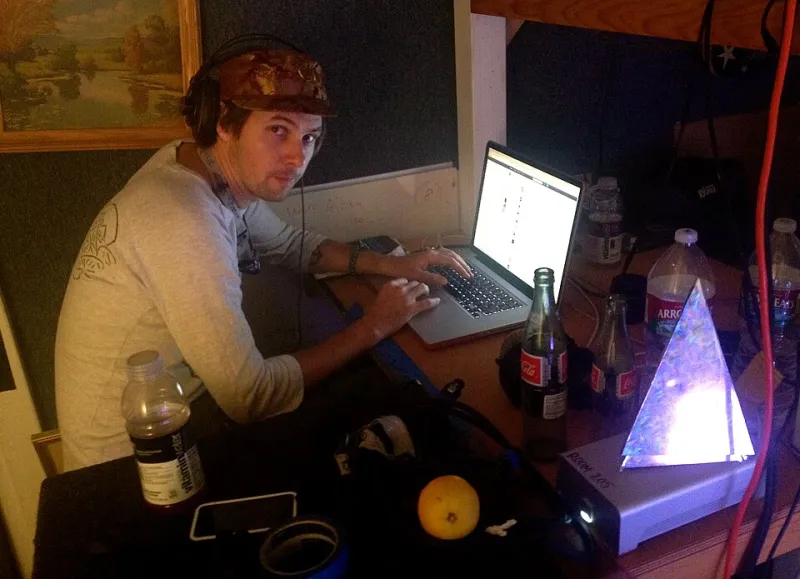
Photo: Incase from San Francisco, USA, CC BY 2.0, via Wikimedia Commons
Credit where it's due — but in house music, credit is a funny thing. The producer gets the press. The DJ gets the residency. The vocalist, if there is one, gets the feature billing. And somewhere in a treated room surrounded by monitors and outboard gear, the mixing engineer who spent three days making that track actually work gets a line in the liner notes that maybe ten people will ever read.
That's starting to change. Slowly, unevenly, but it's changing.
The Job Nobody Explains
Here's the thing most casual fans don't fully grasp: finishing a house record is not the same as making a house record sound finished. A producer can spend months crafting the perfect groove, layering synths, chopping samples, getting the arrangement exactly right — and still hand off a mix that sounds flat, muddy, or just wrong on a club system.
That's where mixing engineers come in. Their job is to take all those individual elements — kicks, hats, basslines, pads, vocals, effects — and make them coexist in a way that translates across every possible playback environment. The Funktion-One at a warehouse party in Brooklyn. The Sonos system in a Williamsburg apartment. The earbuds on the subway.
And then, after the mix is done, it goes to mastering — a separate discipline entirely, focused on final loudness, tonal balance, and making sure the track holds up against everything else in a DJ's crate.
Two different jobs. Two different skill sets. Both completely invisible to most of the listening public.
Why It Matters More Now Than It Used to
In the era of streaming, production quality isn't just an aesthetic choice — it's a competitive variable. Spotify's loudness normalization, Apple Music's Mastered for iTunes standards, the way a track performs on a Beatport preview versus a full club system — all of it puts pressure on the technical side of house music in ways that didn't exist twenty years ago.
Engineers who understand how to navigate that landscape are increasingly in demand, and the producers who invest in proper mixing and mastering are hearing the difference in real ways. Tracks that cut through on streaming playlists. Mixes that translate from studio monitors to festival mains without falling apart. Vocals that sit in the pocket instead of fighting the kick for headroom.
The gap between a self-mixed release and a professionally engineered one has never been more audible to people who know what to listen for — and DJs, label A&Rs, and playlist curators absolutely know what to listen for.
The People Behind the Sound
Talk to working house engineers and a few things become clear pretty quickly. First, most of them came up through years of studio apprenticeships, assistant gigs, or obsessive self-teaching before anyone trusted them with a serious project. Second, a lot of them have production backgrounds themselves, which means they understand the creative intent behind a record — not just the technical requirements.
That dual fluency matters. The best mixing engineers aren't just technically precise; they're musically literate enough to have a conversation with a producer about why a snare sounds wrong, not just that it does. They push back. They suggest. They catch things that a producer who's been staring at a session for three months simply can't hear anymore.
Several engineers working at the top of the US house scene have built reputations specifically for their ability to handle the genre's unique demands — the sub-bass management that deep house requires, the transient punch that tech house depends on, the space and warmth that afro house needs to breathe. These aren't generalist skills. They're developed over years of working specifically within the culture.
Mentorship in the Mix
One of the less-discussed functions that top engineers serve is as informal mentors to emerging producers. Because they're working across multiple projects simultaneously — often with artists at very different career stages — engineers accumulate a kind of panoramic view of where the sound is going, what's working, and what's becoming cliché.
That knowledge gets passed down. A young producer who gets their first professional mix done learns more in one feedback session with a seasoned engineer than they might in months of YouTube tutorials. Not just technical stuff — though that matters — but production philosophy. Arrangement instincts. The kind of hard-won perspective that only comes from having heard thousands of records at every stage of completion.
Some engineers have formalized this into mentorship programs or online courses. Others do it informally, through sessions that turn into extended conversations. Either way, the transmission of knowledge through the engineering relationship is one of the less glamorous but genuinely important ways that house music's technical standards stay elevated.
The Fee Question
Let's talk money, because it's relevant. Professional mixing rates for house records in the US currently range pretty widely — anywhere from a few hundred dollars for newer engineers building their portfolios to several thousand per track for established names with proven credits. Mastering sits in a similar range, though the sessions are typically shorter.
For independent producers who are already stretching budgets across sample clearances, distribution costs, and promo, that's a real investment. And for a long time, the calculation a lot of indie artists made was: skip the professional engineering, put that money into something more visible.
But the math is shifting. As production quality becomes a more significant factor in whether a record gets placed on a tastemaker playlist, picked up by a label, or booked into a DJ's rotation, the return on engineering investment is becoming more legible. Artists who've made the jump to professional mixing consistently report that the response to their records changed — not just sonically, but in terms of industry traction.
Giving Credit Its Due
There's a broader cultural conversation happening right now about who gets credited in electronic music — and engineers are increasingly part of that conversation. Some producers have started making a point of naming their engineers in press materials, social posts, and interviews. A few labels have updated their crediting standards to include mixing and mastering credits prominently rather than burying them.
It's not a revolution. But it's movement.
For the people doing this work — spending hours in the dark making sure your favorite house record hits exactly right — recognition isn't just about ego. It's about being findable. About building a career that compounds over time. About the next generation of producers knowing who to call when they're ready to take their music seriously.
The architects have always been there. The house is finally starting to show them where the front door is.