Forget Vegas: Why House Music's A-Listers Are Planting Roots in Small Clubs Instead
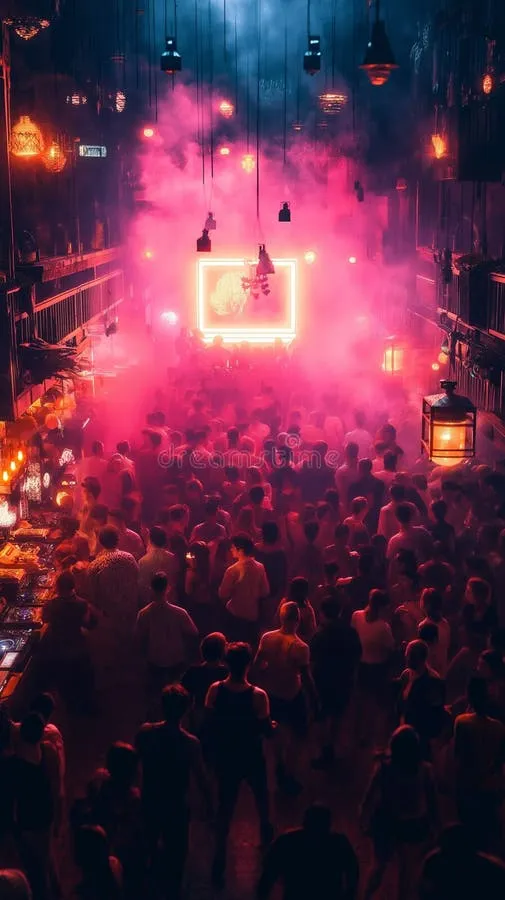
Photo: underground nightclub DJ booth intimate venue crowd dancing, via thumbs.dreamstime.com
For the better part of two decades, a Las Vegas residency was the finish line. You made it, you got the call from Hakkasan or Wynn or Zouk, you signed the contract, and suddenly you were playing to 4,000 people in a room that smelled like Moët and ambition. The money was ridiculous. The production budget was more than most artists see in a career. And the prestige? Undeniable.
But something's shifting. Quietly, then all at once, a growing number of house music's most respected names are turning down those deals — or simply not chasing them anymore. Instead, they're locking in long-term arrangements with 300-capacity rooms in Brooklyn, Chicago basements, East Austin warehouses, and converted industrial spaces in Detroit. And they're not doing it out of desperation. They're doing it by choice.
The question worth asking: what does that say about where house culture is actually headed?
The Vegas Machine and What It Costs You
Let's be real about what a major casino residency actually involves. You get paid well — sometimes extremely well — but you're also walking into a fully managed entertainment product. The lighting is pre-programmed. The set times are dictated. The crowd is, more often than not, there for a night out in Vegas, not specifically for you or the music you've spent years developing. Bottle service runs the room. The DJ booth is often elevated to a point where any real energy exchange between artist and crowd becomes impossible.
For EDM acts built around spectacle, that setup works perfectly. But for house DJs who came up reading a room, adjusting on the fly, and treating a six-hour set like a conversation — the Vegas format can feel like a creative straitjacket.
"You're essentially a live jukebox in a very expensive restaurant," one Chicago-based DJ told us, speaking on background because they still have industry relationships to protect. "I did two years of it. The money was great. But I came home feeling like I hadn't actually DJed in two years."
What Underground Residencies Actually Look Like Now
The model that's replacing Vegas isn't just a downgrade in scale. It's a fundamentally different arrangement — and in a lot of cases, a smarter business move.
Here's how it typically works: a DJ partners with an independent venue for a recurring booking — monthly, bi-monthly, sometimes a full season. They often have input into the supporting lineup, the visual presentation, even the ticket pricing strategy. Some have a stake in the door. Others negotiate merch splits or co-branded events. A few are going even further, essentially becoming creative directors for the venue's programming rather than just a hired performer.
The rooms are smaller, yes. But the margins can be surprisingly competitive once you factor in what's cut from the equation: the management fees, the travel overhead that comes with Vegas-style touring schedules, and the brand dilution that happens when you're playing rooms where house music is an afterthought.
More importantly, the crowds are different. The people showing up to a monthly residency at a 400-cap room in Philadelphia or a converted loft in East Atlanta aren't stumbling in from the casino floor. They came specifically for that night, that DJ, that sound. That kind of loyalty compounds over time in ways that a Vegas booking simply can't replicate.
Prestige Is Getting Redefined in Real Time
This is maybe the most interesting part of the whole conversation. For a long time, the hierarchy in DJ culture was pretty legible: festival headliner slots, major residency deals, and streaming numbers told you where someone ranked. But that framework is eroding.
Within house music specifically, the cultural credibility attached to underground residencies is rising fast. The DJs who are building real followings in specific cities — who are known as the person to see at a particular venue — are carrying a different kind of weight right now. It's less about scale and more about depth.
Talk to promoters across the country and you'll hear a consistent theme: the DJs who have cultivated genuine local followings through consistent, quality residencies are actually easier to book for bigger events because their audiences follow them. They've done the relationship-building work that no Vegas contract can manufacture.
There's also a generational component here. Younger house heads — the ones who are increasingly driving ticket sales and setting the cultural conversation — tend to be skeptical of the casino-nightclub complex on principle. For that audience, a DJ who's choosing a Brooklyn warehouse over a Wynn stage is making a statement that reads as authenticity, not failure.
The Economics Actually Work (If You're Strategic)
It would be naive to pretend the financial trade-off isn't real. Elite Vegas residencies can pay DJs anywhere from $50,000 to several hundred thousand dollars per appearance at the top end. No underground club is writing those checks.
But the DJs making this transition aren't just subtracting income — they're restructuring how they generate it. Consistent residencies create stable, predictable revenue streams. They allow for merchandise drops tied to specific events. They open doors to local brand partnerships that feel organic rather than transactional. And they free up enough calendar space to pursue the studio work, label projects, and sync licensing opportunities that a relentless touring schedule makes nearly impossible.
Several producers we spoke with pointed out that the creative output they've managed to generate since stepping back from the festival-and-residency grind has opened up entirely new income streams — music supervision deals, label imprint launches, production work for other artists. The Vegas machine, for all its financial allure, has an opportunity cost that doesn't always show up on the surface.
What This Means for the Scene
Zoom out and the picture that emerges is actually pretty exciting for house music culture in the US. When elite DJs start investing their time and reputation in smaller independent venues, it raises the ceiling for what those rooms can offer. It brings serious artistry into spaces that already prioritize the music. And it creates a feedback loop where the underground gets stronger, more diverse, and more sustainable.
Vegas isn't going anywhere. The casino-nightclub ecosystem will keep doing what it does, and plenty of DJs will keep taking those deals — for good reason. But the fact that some of the most respected names in house music are actively choosing a different path? That's a signal worth paying attention to.
The residency game is being rewritten. And the new rules look a lot more like what house music was always supposed to be about.