Concrete Floors and Real Ones: America's Warehouse Party Renaissance Is Redefining the Dancefloor
Photo: AnonymousUnknown author, CC0, via Wikimedia Commons
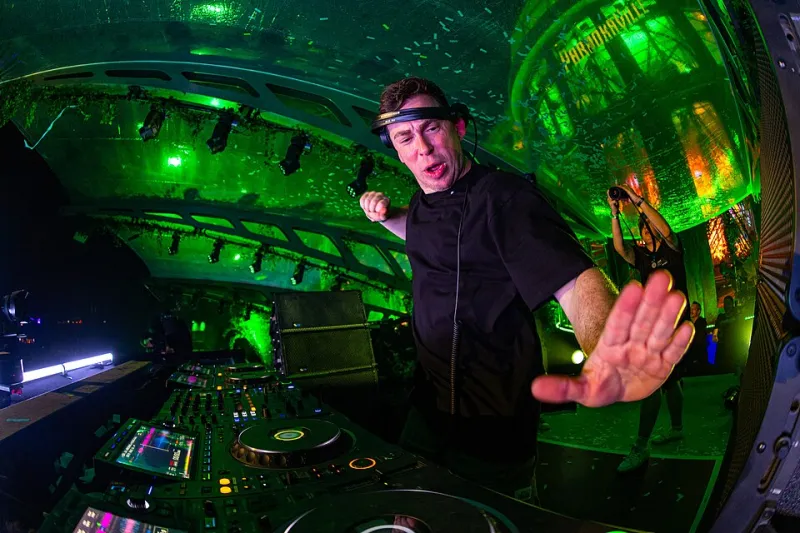
There's no VIP section. No dress code enforcer with a clipboard. No $22 cocktails served in branded glassware. Just a massive, half-lit room, a sound system held together by zip ties and sheer audacity, and about four hundred people losing their minds to a DJ who booked the gig through a group chat.
Welcome to the warehouse party revival — and if you haven't been to one yet, you're already behind.
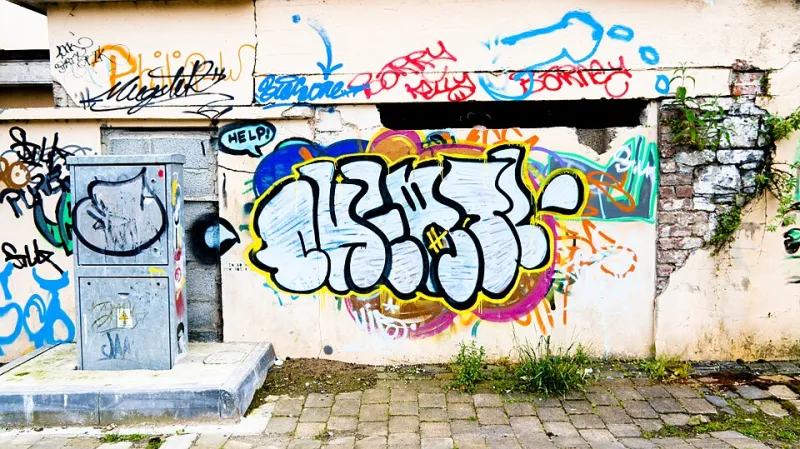
Across major US cities, a growing wave of underground promoters is bypassing the slick, investor-backed club circuit entirely. They're scouting shuttered printing facilities in Brooklyn, decommissioned auto plants on Detroit's east side, and forgotten industrial corridors in Chicago's South Side — and transforming them, one Saturday night at a time, into some of the most electrically charged dance music environments in the country.
Why the Warehouse? Why Now?
The timing isn't accidental. Post-pandemic nightlife reopened to a landscape that looked noticeably different — and not always in a good way. Consolidation swept through the club industry. Private equity money poured into venue ownership. Ticket prices climbed. Dress codes got stricter. And somewhere along the way, the dancefloor started feeling less like a community and more like a transaction.
"The vibe just got sanitized," says Marcus Webb, a Chicago-based promoter who's been throwing warehouse events under the GRAVEL collective banner since 2022. "You walk into some of these clubs now and it's all LED walls and influencer tables. Where's the music? Where's the culture?"
Webb's events — held in rotating, undisclosed locations announced 48 hours in advance via a Telegram channel — regularly sell out 500-person capacity within hours. His crowd skews young but spans generations, pulling in both Gen Z dancers and veterans who remember Chicago's original warehouse scene from the late '80s.
That multigenerational pull is part of what makes this revival feel different from a simple retro trend. It's not just people cosplaying the past. It's a genuine hunger for something the mainstream club circuit stopped offering.
The Legal Tightrope
Here's the part nobody on the flyer talks about openly: most of these events exist in a serious legal gray zone.
Operating a ticketed event in an unpermitted space means navigating a tangle of fire codes, occupancy limits, noise ordinances, and zoning laws — and the consequences of getting it wrong can be severe. The 2016 Ghost Ship fire in Oakland, which killed 36 people at an underground arts event, remains a haunting reminder of what's at stake when safety is deprioritized in the name of authenticity.
Responsible promoters in today's scene are acutely aware of that history. Many go to significant lengths to operate safely even without official permits — hiring private security, capping attendance hard, sourcing proper fire extinguishers, and scouting venues with multiple exits.
"Ghost Ship changed how a lot of us think," says Dani Reyes, a Los Angeles-based promoter who runs a warehouse series called OPEN CIRCUIT. "We take safety dead seriously. That's non-negotiable. But we also believe people deserve access to real dance music culture without it being gatekept by a $50 cover and a velvet rope."
Reyes works with a small network of property owners — mostly small commercial landlords sitting on vacant industrial space — who are willing to look the other way for a night, sometimes in exchange for a cut of the door. It's an arrangement that exists in a legal shadow, but it's one that's become increasingly common in cities where commercial real estate vacancies have spiked.
Some cities are starting to reckon with this reality. New York's nightlife office, established in 2017, has quietly worked to create pathways for temporary event permits in non-traditional spaces. Chicago's cultural affairs department has piloted similar frameworks. Progress is slow, but promoters are watching closely.
What the Dancefloor Actually Feels Like
Ask anyone who's been to a warehouse party recently and the word you'll hear most is connection.
"I've been to clubs where I didn't talk to a single person all night," says Janelle Torres, a 26-year-old from the Bronx who's been attending underground events in New York for about two years. "At a warehouse, by the end of the night, you've got five new friends and you've danced next to a 55-year-old who's been doing this since before you were born. That doesn't happen at a rooftop bar."
That sense of community isn't incidental — it's architectural. Warehouse spaces, by their nature, resist the social stratification that club layouts encourage. No elevated VIP areas. No roped-off sections. Everyone's on the same floor, breathing the same air, feeling the same bass frequencies move through the same concrete.
The music programming tends to reflect that ethos too. Warehouse events are where you're more likely to hear a deep, two-hour set of proper house — Chicago-rooted, percussion-heavy, emotionally patient — rather than a 45-minute DJ performance calibrated for Instagram clips.
Can It Scale Without Selling Out?
That's the tension sitting at the heart of this whole movement. The more the warehouse revival grows in visibility, the more it attracts the exact forces it's trying to escape.
Already, some mainstream festival brands have started incorporating "warehouse aesthetic" stage designs — raw concrete, industrial lighting, exposed ductwork — as a kind of set-dressing for events that are otherwise entirely corporate in structure. It's a familiar pattern in underground culture: the mainstream notices the energy, extracts the visual language, and sells it back stripped of meaning.
Marcus Webb isn't losing sleep over it, though. "They can build a fake warehouse inside a convention center if they want," he says, laughing. "But they can't fake the community. You can't manufacture what happens when the right people are in the right room with the right music. That's always going to live underground."
For now, the concrete floors and the zip-tied speakers and the Telegram invite links are holding the line. And on the dancefloor, at least, the culture is very much alive.