Small Rooms, Big Energy: How Indie Promoters Are Taking Back the US House Scene
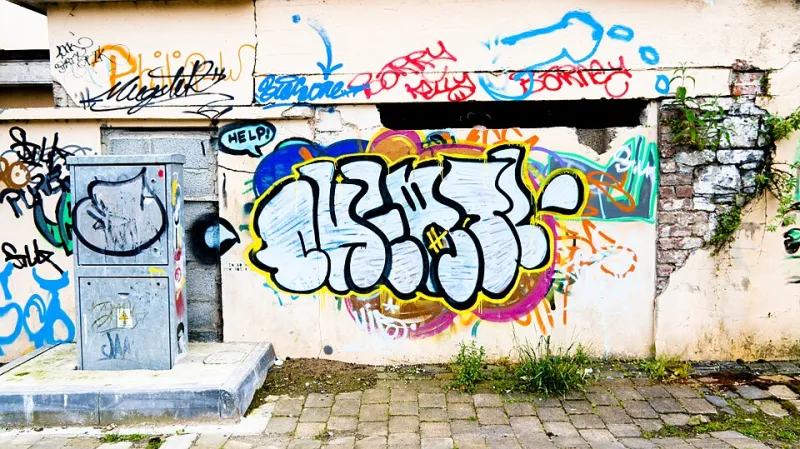
Photo: William Murphy from Dublin, Ireland, CC BY-SA 2.0, via Wikimedia Commons
There's a particular kind of magic that happens when a room holds maybe 300 people, the sound system is tuned just right, and every single person on that dancefloor is present. No one's filming a 45-minute Instagram story. No one's waiting for the headliner to play a song they heard in a Netflix trailer. They're just there, moving, sweating, locked in.
That magic — the kind that defined underground house culture from Chicago's Warehouse days to the Paradise Garage's golden era — is making a serious comeback. And it's not happening at festivals with corporate sponsors and branded hydration stations. It's happening in basements, lofts, art galleries, and vacant lots, organized by a new generation of independent promoters who are done waiting for the industry to catch up with the culture.
The Mega-Festival Hangover Is Real
For the better part of the last decade, the American dance music landscape has been dominated by the festival industrial complex. Events like EDC, Rolling Loud's electronic adjacents, and the sprawling Beyond Wonderland franchise have pulled enormous crowds and generated eye-watering revenue. But somewhere in the race to scale up, something got lost.
"There's a disconnect that happens past a certain size," says Marcus Webb, who runs Lowground Events out of Chicago — a collective that throws intimate, ticketed house parties across the South Side and Pilsen neighborhoods. "When you're watching a DJ on a screen because they're too far away to see with your eyes, that's not a rave. That's a concert with lasers."
Webb isn't alone in that assessment. Across the country, a growing number of promoters are deliberately keeping their events small — capping attendance at anywhere from 150 to 800 people — and finding that scarcity, combined with genuine curation, is building exactly the kind of devoted communities that mega-festivals spend millions trying to manufacture.
The Cities Leading the Charge
Chicago remains the spiritual home of house music, and its underground scene has never really gone corporate. But cities like Detroit, New York, Los Angeles, Atlanta, and even mid-size markets like Austin and Philadelphia are seeing genuine micro-festival explosions.
In Brooklyn, collectives like Mutual Drift and Phantasy Dept have been running warehouse events and multi-room loft parties that regularly sell out within hours — not because of aggressive marketing, but because of earned reputation. Word travels fast when the music is good and the vibe is right.
Down in Atlanta, promoters are tapping into the city's deep love of bass-heavy house and Afrobeat-influenced sounds to create events that feel culturally specific in a way that national touring festivals simply can't replicate. "We're not trying to compete with something like TomorrowWorld," says Jada Simmons, who co-organizes the quarterly Frequency series in Atlanta's Old Fourth Ward. "We're building something for our community, by our community. That's a completely different thing."
Los Angeles has always had a complicated relationship with its underground scene — the city's geography and car culture work against the spontaneous, neighborhood-rooted energy that fuels places like Chicago or New York. But promoters there are adapting, using private desert locations outside the city and repurposed industrial spaces in the Arts District to create events that feel genuinely off-the-grid.
Social Media as a Megaphone, Not a Billboard
Here's the twist: these hyper-intimate events are spreading through very 21st-century channels. But the way indie promoters are using social media looks almost nothing like how corporate festivals deploy it.
Rather than paid reach and influencer partnerships, micro-festival organizers are leaning into community-built content — grainy videos shot on phones, voice note recaps shared in group chats, Discord servers where regulars debate setlists and share flyers. The aesthetic is deliberately low-fi, and that authenticity is part of the appeal.
"Our Instagram doesn't look like a brand," says Webb. "It looks like a group of friends who love music. Because that's what it is."
TikTok has become a particularly interesting vector. Short clips from events — not promotional content, but organic moments captured by attendees — regularly rack up tens of thousands of views, pulling in people who didn't know these events existed. The algorithm, for once, seems to be working in the underground's favor.
The Business Reality
Let's be real though: running small events isn't a path to getting rich. Margins are thin, permits are a nightmare, and one bad weather event or venue cancellation can wipe out months of work. Most of the promoters interviewed for this piece are working day jobs or supplementing income through DJ bookings, merchandise, and Patreon-style community memberships.
But there's a growing sense that the model is becoming more sustainable. Tiered ticket pricing — where early supporters pay less and latecomers pay a premium — has become a popular strategy. Some collectives are building revenue through branded merchandise that people actually want to wear, turning regulars into walking ambassadors.
A few are even experimenting with cooperative ownership structures, where regular attendees can buy into the collective and share in any profits. It's a model borrowed from food co-ops and community land trusts, and it's creating the kind of stakeholder loyalty that no marketing budget can buy.
Why This Matters for House Culture
House music has always been about more than just the music. It's been a space — literally and figuratively — where Black and queer communities created something beautiful outside the mainstream. That history is part of what makes the current moment feel significant.
When corporate interests take over a cultural form, they tend to sand off the edges that made it meaningful. The micro-festival movement is, in many ways, a corrective — a reassertion that house music belongs to the people who built it and the communities that keep it alive.
"This isn't nostalgia," says Simmons. "We're not trying to recreate 1987. We're building something new that still remembers where it came from."
The rooms are small. The budgets are modest. But the energy? The energy is enormous. And if the current trajectory holds, the most important house music moments of the next few years won't happen on a main stage — they'll happen in a room you had to know someone to get into.